Episode #
89
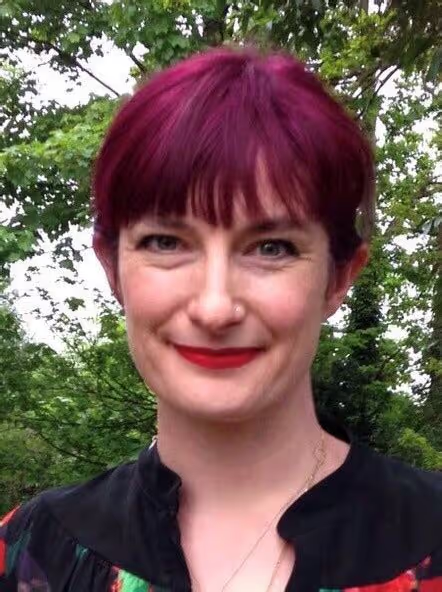
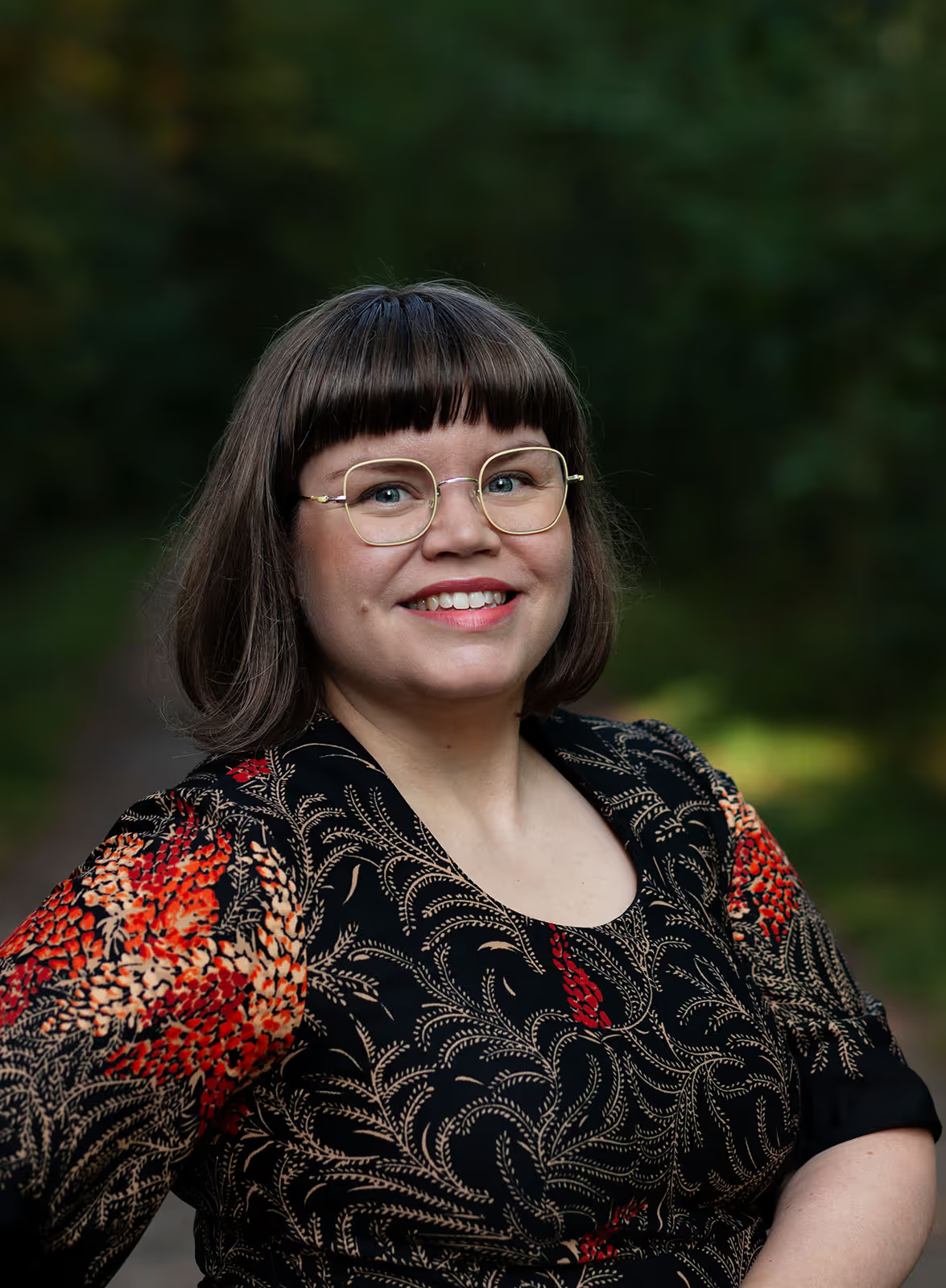
Eeva Houtbeckers
Episode Summary
Q1: Place
If we could do a flypast on any part of the world that is significant to you, which place, city or country would it be and why?
A library in the South of Finland
Q2: Life
Give us a glimpse into your life story so far with an emphasis on what you are doing currently?
I got into philosophy and moral philosophical questions in high school and then I ended up studying the economy, which was surprising to some extent but I realised that there's something with the way the economy organises our world. At business school, I used a lot of time looking into how businesses and corporate corporations could be used as a vehicle for a more sustainable society. When it comes to environmental issues, I consider myself as a late bloomer, so only when I was doing my doctorate studies, I got into environmental issues seriously. Today, as a postdoctoral scholar, I consider myself an as an eco feminist which combines the concerns of how humans live together on this planet, and then how humans live with other species on this planet on a very broad level. So now, I'm interested in the practices of how this is possible in various locations. And my research focuses in Finland, because this is where I live.
Q3: Reset
Where on earth is your place or reset or re-charge?
An allotment garden, a rented space from the city of Helsinki, where I live.
Q4: Wonder
What wonder of the natural world excites you the most?
How this more than human species interact together
Q5: Hopefulness
What is your story of hopefulness (not your own) about a person, business or non-profit who are doing amazing things for the world?
A cooperative called Snowchange that focuses on re-wilding. They work in their community in the east of Finland to enhance the environment.
Q6: Insight
As we prepare to re-enter, what insight, wisdom or question would you like to share with us?
I've observed that there seems to be individualism everywhere, especially in the academia. People are building their own CV's in every sphere of life. My challenge has been how to unlearn this individualism.

Transcript
Intro:
Orbiting 250 miles above, the space station provides us with the ultimate view of planet Earth. From this perspective, we ask our guests to engage with six questions that orbit around wonder and stories of hopefulness. For the next few minutes, this is our wonder space.
Steve (host):
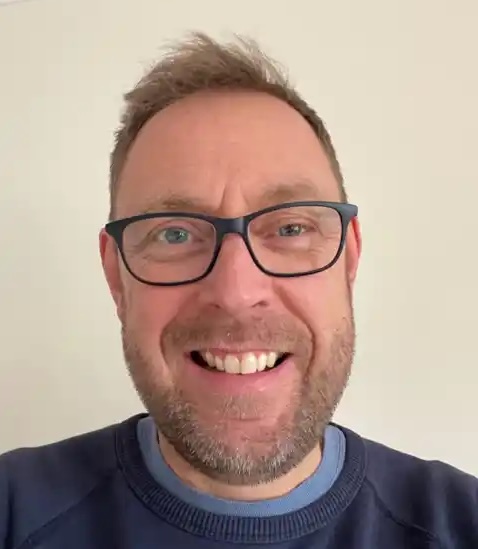
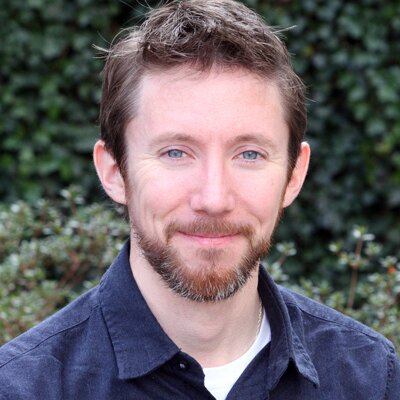
Welcome to the eighty ninth episode of the WonderSpace podcast, which is a creative expression of a family trust called Panapa. My name is Steve Cole, and since September 2020, I have asked the same six questions to over 80 people from around the world. People like Floriane Palauel from Picture Organic Clothing in Annecy, France, who in episode 13 talked about producing snow jackets made with recycled polyester from recycled plastic bottles as part of their radical environmental commitments and carbon strategy. For our third year, we are excited to be working with Ask Nature, who are a project of the Biomimicry Institute. Their work around the world looks to nature for inspiration to solve design problems in a regenerative way.
Steve (host):
Here is another moment to help us to re wonder.
Ask Nature:
The cells in our bodies are packed full of structures. Even the space between structures has structure. But that molecular skeleton holding things together and giving the cell shape is itself dynamic, growing and breaking down in all directions as it receives various chemical signals. It consists of many microtubules made of protein building blocks called tubulin. When loose tubulin binds with a molecule called GTP, it's able to attach to one end of a growing microtubule.
Ask Nature:
If more tubulin and GTP are added quickly, the first packet will be locked in place and the process will continue. That continued growth is necessary for the microtubule to hold together because GTP quickly degrades to GDP and that weakens each bit of tubulin's connection to the microtubule. And there's the key to the system's effectiveness. Constant growth isn't always what's needed by the cell, so there's a built in process for disassembly too. As soon as the outermost tubulin's GTP becomes GDP without more tubulin being added, it detaches from the end of the structure causing a chain reaction of fleeing tubulin until other signals cause the process to halt or begin to grow again.
Steve (host):
This week on Wonderspace, we welcome doctor Eva Houtbeckers, a scholar, writer, and speaker active in the degrowth movement in Finland. A movement of activists, artists, poets, philosophers, scientists, scholars, citizens, politicians, and civil servants. She is also the co founder of the degrowth journal and untamed, which we will link to on our episode page on the Wonderspace website. Eva was nominated by our fifty third guest on Wonderspace, Sabrina Shikori in Brisbane, who amongst many things founded the Brisbane Tool Library, a social enterprise based on degrowth and sharing economy, which aims to reduce household consumption. Sabrina describes Eva as an amazing activist and scholar.
Steve (host):
With this expansive overview of Earth, I start by asking Eva, if we could do a fly past on any part of the world that is significant to you, which place, city or country would it be and why?
Eeva:
So there are very many places that I have great memories, and I guess everybody has said this. I love books and libraries, so I would take us to Turku city library. I was born in Turku, that's a city in the South Of Finland. Although there were many other libraries that I visited by the time I was a teenager, this was the first library that I started going alone. It's a very old building and it's not the place as much as what it offered.
Eeva:
So, it is a place for me that supported my journeys to my inner worlds and beyond. And while it's not the place, it is because of the old building that it shows how much layers there are within human culture. And it was really like a sanctuary in many, many ways. Also with very badly kept toilets and a lot of other details but still, it was a very special place. And it is still, although I haven't visited it for a while.
Steve (host):
Eva, give us a glimpse into your life story so far, with an emphasis on what you are doing currently.
Eeva:
From early on, I've been quite concerned on how people could live more peacefully together on this planet. It was sort of a shock to realise that people would not all the time want to do this when I was in primary school. Childlike shock. And then later, when I was a bit older, I got into philosophy and moral philosophical questions in high school questions about religion. And then I ended up studying the economy, which was surprising to some extent from all of these topics, but I realised that there's something with the way the economy organises our world.
Eeva:
When And I got into business school I used a lot of time looking into how businesses and corporations could be used as a vehicle for a more sustainable society. When it comes to environmental issues, I consider myself as a late bloomer. So, only when I was doing my doctorate studies I got into environmental issues seriously. Then, nowadays, as a postdoctoral scholar, I consider myself an ecofeminist. So this combines the concerns of how humans live together on this planet and then how humans live with other species on this planet on a very broad level.
Eeva:
So now I'm interested in the practices of how this is possible in various locations. And my research focuses in Finland, because this is where I live. So I'm active in the degrowth movement, a movement that focuses on forest management and development in Finland. And then we have co established a research collective called UNTAM, in which we have worked on various topics, for instance a podcast series in Finnish. These activities I consider very much an important part of who I am as a scholar.
Eeva:
Although I am studying degrowth and post growth practices, it's actually a very open theme that I'm trying to fill with what emerges from the field. And what I see that emerges, and this is my first it was an intuition and now it's an observation is that people really do not live by the continuous economic growth as their personal goal of life. Let's put it this way: we are subjected to thinking that well-being requires continuous economic growth. Although it's a very young system when we talk of societies. My job, I think, is to show that there are a lot of people who can do projects that either challenge this perspective or they can function somehow outside of the growth society.
Steve (host):
Where on earth is your place of reset or recharge?
Eeva:
I spend a lot of time in my two gardens. We have one in the backyard of our house and then another one that's called Allotment Garden. So it's a rented space from the city of Helsinki, where I live. These are places where I can do something with my hands. So, working the soil.
Eeva:
Although, I must admit that I spend a lot of time also just sitting in the garden and writing and just looking at things. So that's where I spend a lot of time. And then if I have a need to move about, we live next to the central park of Helsinki, so I go to the forest to set my feet to wander and free my mind. And that's very important for me.
Steve (host):
What wonder of the natural world excites you the most?
Eeva:
Everything is so exciting. Recently, I've been focusing on interspecies communication. And by this I mean the way not only I, as a human, interact with plants or insects or the soil or the worms, rodents, cats, but also how these more than human species interact together. I am such a beginner in these journeys, I'm very eager to learn more.
Steve (host):
Eva, what is your story of hopefulness as not your own about a person, business or nonprofit who are doing amazing things for the world?
Eeva:
There are many people that I have met during my fieldwork of five years and I could speak of any of these people. So these are people who work in Finland. They might not be Finnish people but this is where they are located. What is so inspiring about them as a collective which obviously they do not know each other but a collective that I determine as a scholar and as a thinker, but I also see that they are somehow connected. So what they do is that they rework their lives, communities and societies in very mundane ways.
Eeva:
It's not only the talk or big ideas. Most of them are organised as companies, but as associations or foundations or cooperatives. At first it was a decision to focus on these different kinds of organisations but I have been open to funding companies as well. So far I have been led to these types of organisations. The one that I would like to explore here a bit more is a cooperative that focuses on rewilding.
Eeva:
So, what they do is that they work in their community in East Of Finland for more than ten years now. The people in the cooperative are trying to enhance the environment around the village where people live. The problem has been that the swamps have been turned into forests, which has disturbed the water flow. And with heavy agriculture, the lakes and the rivers have become too fertile, and the fish are starting to die and other fish are being too popular, so they are taking the space out of some more local fish. Their work is quite independent in terms of funding and in terms of ideas and they're also internationally networked.
Eeva:
And I think this initiative is called Snow Change Cooperative. It's a very inspiring one.
Steve (host):
Finally, as we prepare to re enter the Earth's atmosphere, what insight, wisdom or question would you like to leave with us?
Eeva:
I've observed that there seems to be individualism everywhere, especially in academia. People are building their own CVs, which you would perhaps suspect in corporate life, but this is very much also in other spheres of life. So I have been struggling personally how to unlearn this individualism. Individualistic behaviour is in everyday interactions, in everyday work. And in order to pay attention to this, we need to pay attention to everyday interactions.
Eeva:
Although it's a very big cultural phenomenon of thinking about the atomistic self or the philosophy of thinking about only individuals rather than collectives. So my questions to myself and maybe to everybody is then how one could work on one's passions together with other people and more than humans for an ecologically and socially more just societies.
Steve (host):
Links to Eva and the organisation she talks about can be found on her episode page at ourwonder.space. What is your story of hopefulness that is not your own, about a person, business, or nonprofit who are doing amazing things for the world? We would love you to consider recording yourself in under thirty seconds, sharing your story on your phone through your video or your voice memo or recorder app. You can then simply upload the recording to the link on our web site, ourwonder.space. Thanks to Eva for joining us on Wonder Space this week.
Steve (host):
Let's continue to search for and find ways of sharing wonder and stories of hopefulness. We need them like never before. Thanks for joining us.