Episode #
87
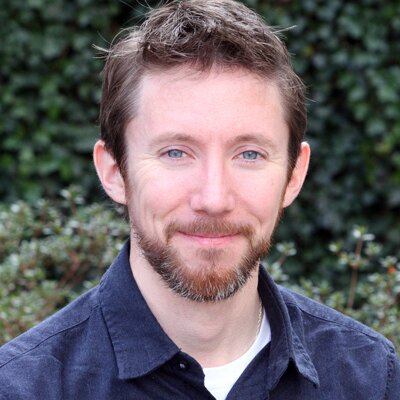
Nate Michaux
Episode Summary
Q1: Place
If we could do a flypast on any part of the world that is significant to you, which place, city or country would it be and why?
Inverness in California
Q2: Life
Give us a glimpse into your life story so far with an emphasis on what you are doing currently?
Grew up in Richmond, Virginia, studied economics in college and then moved to New York in 2001 and got into acting and experienced some success early but then like most actors went through two decades of feast and famine. Made my way out to LA in 2008 and again amongst so many challenges, experienced amazing creative opportunities which has led to a new path focusing on writing and directing.
Q3: Reset
Where on earth is your place or reset or re-charge?
The place I recharge is where I am in the moment. You know, to sit and meditate for one minute, two minutes, three minutes. That's where I find the recharge.
Q4: Wonder
What wonder of the natural world excites you the most?
Psilocybin is the wonder of the natural world that I believe in deeply, as a person who was an addict an alcoholic from an early age, I have found plant medicine to be incredibly healing for me.
Q5: Hopefulness
What is your story of hopefulness (not your own) about a person, business or non-profit who are doing amazing things for the world?
Scott Powell. He is the owner of a company called Peak Experiences. Scott created a place for dirtbags to come and stay and live and I'll be forever indebted to him because he provided the first foundation for me to heal and get stronger.
Q6: Insight
As we prepare to re-enter, what insight, wisdom or question would you like to share with us?
Hope begins with acceptance

Transcript
Intro:
Orbiting 250 miles above Earth, the space station provides the ultimate view of planet Earth. From this perspective, we ask our guests to engage with six questions that orbit around wonder and stories of hopefulness. For the next few minutes, this is our wonder space.
Steve (host):
Welcome to the eighty seventh episode of the Wonder Space podcast, which is a creative expression of a family trust called Panapa. My name is Steve Cole. And since September 2020, I have asked the same six questions to over 80 people from around the world. People like producer and songwriter Fraser t Smith, who talked about meeting Black Panther Albert Woodfox, who was incarcerated for forty three years in a six by three foot cell for a crime he didn't commit. In response to a question about the cost of freedom, Albert responded saying that freedom is available to everyone because freedom exists in your mind.
Steve (host):
For our third year, we are excited once again to be collaborating with Ask Nature, who are a project of the Biomimicry Institute. Their work looks to nature for inspiration to solve design problems in a regenerative way. Here is another moment to help us re wonder.
Ask Nature:
The mushrooms that we see growing in the woods are very short lived parts of much larger living tissue spreading out underground, at times for nearly a mile in any direction. But these vast organisms rely on very tiny spores to reproduce. Spores so tiny that they can be released into the air with just the energy from two drops of water combining. The spores release a protein that helps draw water vapor from the air into two regions: a droplet at the base of the spore and a thin film along one side. When the two regions grow large enough to touch, surface tension pulls the droplet up onto the spore.
Ask Nature:
The momentum from that movement knocks the spore off its base to be swept up by passing air currents and carried away to possibly grow and reach an enormity of its own.
Steve (host):
This week on Wonderspace, we welcome Nate Michaud, who currently lives in LA as a writer and director. We are so grateful to Nate for engaging with these questions in such an honest and vulnerable way, talking about working through his addictions and also the highs and lows of making it work as a creative in New York and Los Angeles. Nate was nominated by Dino, who was our fifty second guest on Wonderspace. With this expansive overview of Earth, I start by asking Nate, if we could do a fly past on any part of the world that is significant to you, which place, city, or country would it be, and why?
Nate:
I would say the most recent experience, at least the first thing that comes to my mind, is a a little town in Northern California called Inverness, California. It's just sort of this mix up beautiful mix up of, like, mountains and and water and fields and, you know, nothing sort of puts a verve back in my sort of body than seeing, a mountain jutting out into an ocean. You know? The girl I connected with lived in a in a southern state. She flew out to Santa Barbara.
Nate:
I picked her up in Santa Barbara, and we drove up to Inverness, but we stopped in Big Sur and stayed at, Deechens Inn, which is also another magical place. But, you know, you know, I'd sort of mentioned that nothing sort of reenergizes me like seeing a mountain jutting into an ocean. And she said the first time we came off sort of out of the highway and onto the sort of mountain onto the coast, and she said she just heard me audibly go, you know, and that was really the first time I realized at that moment, it was the first time I'd unclenched my fist sort of in three or four months. You know? And it just set the stage for this beautiful, perfect trip.
Steve (host):
Nate, give us a glimpse into your life story so far with an emphasis on what you're doing currently.
Nate:
Yeah. I grew up, in the South in Richmond, Virginia, and then, which a lot of people say Virginia is not the South, and those people are idiots. But and then I also and North Carolina too where my mom's family is from. Moved you know, went to college for economics even though I'm terrible at math. Like, literally, I have the dyslexia version with numbers.
Nate:
It's called dyscalculia, which is an awful name. But and then moved to New York 09/01/2001. You know? I could do a whole podcast on just what led me to New York. You know?
Nate:
Spent about eight years there, fell into acting, and got some success early. You know? Just at the beginning, I was like, oh, man. This is great. They just pay you a shit ton of money to, like, do this.
Nate:
And, you know, and then, of course, like, all the work drops off, and then it's, you know, two decades of, like, feast and famine. And eventually made my way out to LA in 2008 and sort of the same deal. It got some got really close on a few things. It even retired from acting, which this was at the middle to end of o seven and was director of retail, for this company called Tom Brown. You know, most money I'd ever made in my life, and it was just miserable.
Nate:
You know? And I got an email out of the blue from a friend of mine who I used to work in restaurants with saying that he had written a pilot, and there was two leads, one for him and one for me. I was still in New York. This is, again, 07, and they had already moved out to 08. He and his wife moved out to LA.
Nate:
And so they flew into New York. We shot this pilot. I had an incredible time. You know, it got some attention from HBO and, Lionsgate in a few different places, and that was, you know, the another sort of dot in the line of, you know, false hope, I guess, with acting. You know?
Nate:
But, also, it wouldn't change anything. And then sort of that sort of got me going for a little bit and got new agents and stuff in LA and, you know, again, started out strong and out of the gate. I specialize in comedy and improvising. Got to work with one of my comedy heroes and, and also reconnected with a girl who I'd known for a long time but had not been romantic with. And so at the beginning of '20, I was like, man, romance and finance, it's gonna be my year.
Nate:
You know? That's one of my sick pleasures, Steve, is is going back and reading articles with strong POVs anywhere from January to '20. You know? Because we don't know anything. We're not in control of anything.
Nate:
We think we are. We're not. Fundamentally, we are not. And so twenty twenty twenty became 2020, and but it started me on a new path and, really just both been focusing on writing and directing. And the pandemic really unearthed a lot of things.
Nate:
Right? So I'm I'm sober. I've been sober, for my friend Terry likes to say I've been sober for about fourteen years of interrupted sobriety. You know? I've had a couple of relapses, the last one at the 2020.
Nate:
But, you know, if if that doesn't break you, like, who what will? You know? What won't? Whatever. So, yeah, right now, I'm still in LA.
Nate:
I love LA. California has been my home for fifteen years. So that's where I am today, sort of focusing on writing and directing, and I'm working on a trilogy right now that I'm sort of self importantly calling my recovery trilogy, which I had finished a full length feature, started a second one, and started a third one, and realized, oh, this this could be a trilogy. You know? My mission in life is to very gently take one brick at a time out of Utopia because for me, acceptance is the beginning of hope.
Nate:
You know? And you can't really accept a false narrative.
Steve (host):
Where on earth is your place of reset or recharge?
Nate:
Yeah. You know, it's funny. When I was first getting sober, I I, you know, I was going through a really deep period of depression. And so I sent a note to a friend of mine's dad who is a he's retired now, but he's a legit theologian. You know?
Nate:
And I wrote him a note just talking about my depression, which is, you know, been a lifelong thing. You know? That sort of bet noir that really can weigh you down, but also free you up. You know? And he said, well, come up and see me.
Nate:
His office was in DC at the time, and I was back in Richmond, Virginia. And so I went and sat down in his office, and I had no intention of talking about drinking. And he said, what's going on? And the first thing out of my mouth was I drink a lot. You know?
Nate:
And he said, well, I'm not telling you anything to do because I don't think that that's helpful, but I will say that nothing in your life is gonna make sense until you sort of make peace with that. You know? And we talked for a long time. And at the end of it, he said, I I do wanna suggest that you go to the museum and see this series of paintings. I believe it's I believe it's four paintings by Thomas Cole.
Nate:
And I think it's called the journey of man or something like along those lines. And so I just went and sat at those paintings, and I didn't weep, you know, but I I cried. You know? It was sort of the first turning on of the faucet. You know?
Nate:
And then, of course, I immediately after that went to a liquor store and got a bottle of Jack in's, you know, because I wasn't quite ready. You know? But I became ready. And so he had said in that office, go to a place that's safe for you to heal. Counterintuitively, that was New York City at the time.
Nate:
So I did that. And then sort of around my first nervous breakdown, Richmond had become that place for me to recharge. And at the time, my dad had been diagnosed with Parkinson's and dementia. And so I went back to help take care of him and also help sort of put my brain back together. You know?
Nate:
People talk about free will, and I I think that's bullshit. You know? Free will once you've changed your dad's diaper, free will becomes a pretty clear myth. You know? You know?
Nate:
So it it started out to be New York, and then it became Virginia. And for a variety of reasons, neither of those places have been able to sort of sustain themselves, as places for me to recharge. So, you know, the long walked, the short point is the place I recharge now is wherever I am in the moment, you know, to sit and meditate for one minute, two minutes, three minutes. That's where I find the recharge. That's where I find the reconnection to whatever energy is flowing through and out of us.
Steve (host):
Wonder of the natural world excites you the most?
Nate:
Psilocybin is is the wonder of the natural world that I believe in deeply. You know? And there's a lot to be said about that. And, again, we'll just preface it with, like, every person's journey is their own. This is not meant to be a medical diagnosis.
Nate:
This is only meant to entertain. Please consult your physician. You know? But for me, you know, as a person who was born an addict, born an alcoholic, you know, I when I was in third grade, the drug awareness officer came to to the school, the DARE officer, which is a police officer who would sort of give his speech about, you know, drugs. And if you see something, say something.
Nate:
I was a third grader, and I did not I grew up in a great home, wonderful family. My nephew, Ethan, is the only sort of turquoise trapezoid in the bunch, you know, just because he's a six foot three chiseled out of stone guy. None of us look like that. But we all, you know, have this wonderful family that we grew up with. And I didn't grow up in a family that had drugs or alcohol.
Nate:
So I had no frame of reference for the feeling that I was about to experience. But when that suitcase got to me of fake drugs and how or fake whatever, it's it felt like somebody had handed me a menu. You know? And so I smoked crack at 14. That was the first drug I ever tried for before I got drunk or high, anything, like crack out of the gate.
Nate:
And I never slowed down really until I got sober for the first time in o '9. And I only bring that up to say is that I always thought that sobriety was this binary thing, you know, that it's a zero sum game. And it is and it isn't. Right? Because I found plant medicine to be incredibly healing for me.
Nate:
It is you know, I was on antidepressants for years and years. I'm still pro antidepressants. I'm very much for that, but it was a bridge that I needed to cross. And slowly, in the last, I'd say around Christmas of last year, was when I really started to do the research. And I, you know, used it recreationally in college and high school and all that stuff, but never had a what they call a set and setting around it.
Nate:
So and also the book, how to change your mind by Michael Pollan, who also wrote the omnibore's dilemma. So I'm at the very beginning of a journey, but what a beautiful thing. You know? Like, I'm gonna sound woo woo and all that business, so I'm just gonna lean into it. You know?
Nate:
But it's a spiritual practice for me, and I believe in it. It's changed my life. It's changed my life.
Steve (host):
What is your story of hopefulness as not your own about a person, business, or nonprofit who are doing amazing things for the world?
Nate:
My friend, Scott Powell, he is the owner of a company called Peak Experiences, which is exactly what it sounds. You know? I think it was Maslow's hierarchy of needs where that phrase originally came from. But when I had graduate I mean, this is just gonna be a reoccurring theme because it's my life, but I dated the same girl all through college. We were in love, you know, talked about getting married, and she was very much an outdoors person, like running ultramarathons and camping and hiking.
Nate:
And I was very much a drug addict. You know? And so when we broke up, she was like, my dude, I'm going to dental school. You enjoy your cocaine. You know?
Nate:
And but it was the first time that really woke me up and shook me You know? So I went on an outward bound trip, which is that was my college graduation present that I asked for. And you're just, you know, sort of dropped into the woods of North Carolina with 11 other strangers. You know? And we're sitting around this campfire, and we're just talking about how we all got there.
Nate:
And when it got to me, I, in that moment, realized that that was the first time in years and years and years that I was gonna go for a week without any drugs or alcohol or tobacco, nothing in my system. You know? And I sort of started to cry in front of these folks, which is funny now that I think about it because, you know, we've never really gotten past sitting around a campfire with spears in our hands staring at the bushes. Right? We've never progressed past that.
Nate:
You know? So to have that moment of honesty and vulnerability in that setting, was such a beautiful thing. And so when I got back to Virginia, I was like, I'm gonna look up rock climbing gyms. I'm gonna look up everything I can in the in the sort of natural world and came across at the time, which was the largest in, I think it was the largest climbing gym on the East Coast, and it was certainly the only one with anywhere near me. And Scott Powell started that.
Nate:
And to this day, he remains a friend of mine. I love him dearly, but the the home that he provided for and I say this term lovingly, it's the same, you know, that that article that Tom broke up pen from New York Times about Yvon Chouinard, the founder of Patagonia, Scott created a place for dirtbags to come and stay and live, and I'll be forever indebted to him because he provided the first foundation for me to heal and get stronger.
Steve (host):
Finally, as we prepare to reenter the Earth's atmosphere, what insight, wisdom, or question would you like to leave with us?
Nate:
So I mentioned earlier that hope for me begins with acceptance. You know? What what we call a low anthropology, which just as means that it you know, you're calling something what it is. That's another great my friend Dave Zall, has a organization in based in Charlottesville, Virginia called Mockingbird, that really explores sort of spirituality in the context of pop culture. And see, I think he may have even coined the phrase low anthropology.
Nate:
He definitely has a book that just came out called low anthropology. So you're welcome, Dave, for that plug. So I I think that that's the that's what I wanna leave you with is hope begins with acceptance. We can be having this moment together with all the chaos of the world and all the chaos of nature surrounding and swirling us that we cannot control, but we need to keep having these conversations no matter the environment.
Steve (host):
What is your story of hopefulness that is not your own, about a person, business, or nonprofit who are doing amazing things for the world? We would love you to consider recording yourself in under thirty seconds, sharing your story on your phone through your video or your voice memo or recorder app. You can then simply upload the recording to the link on our website, ourwonder.space. Start with your name and where you are from, and then share your story of hopefulness in under thirty seconds, and we will look to include them in future episodes. Thanks to Nate for joining us on Wonder Space this week.
Steve (host):
Let's continue to search for and find ways of sharing wonder and stories of hopefulness. We need them like never before. Thanks for joining us.