Episode #
67
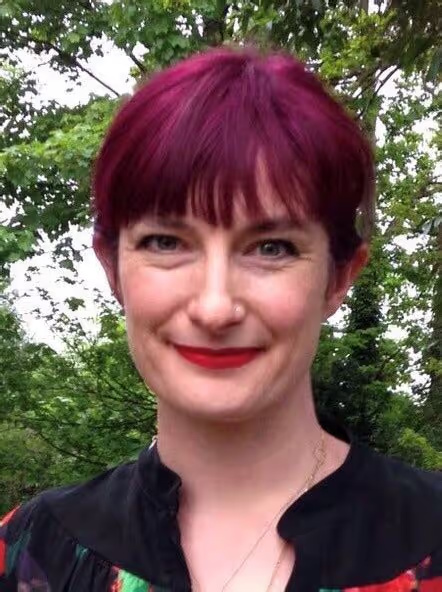
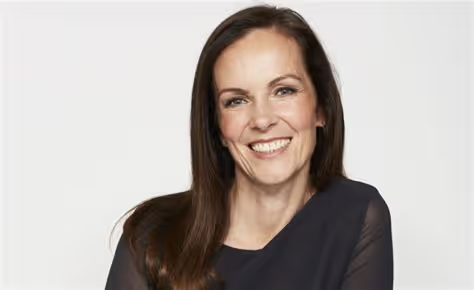
Brita Fernandez Schmidt
Episode Summary
Q1: Place
If we could do a flypast on any part of the world that is significant to you, which place, city or country would it be and why?
Venezuela
Q3: Reset
Where on earth is your place or reset or re-charge?
The ebb and flow of water and tides
Q4: Wonder
What wonder of the natural world excites you the most?
The Angel Falls which is the largest waterfall in Venezuela
Q5: Hopefulness
What is your story of hopefulness (not your own) about a person, business or non-profit who are doing amazing things for the world?
The work of Thomas Hubl and the project he founded called the Pocket Project which aims to bring together community across divides, to facilitate collective healing.
Q6: Insight
As we prepare to re-enter, what insight, wisdom or question would you like to share with us?
The question, if the earth was a person, what would it say?

Transcript
Speaker 0:
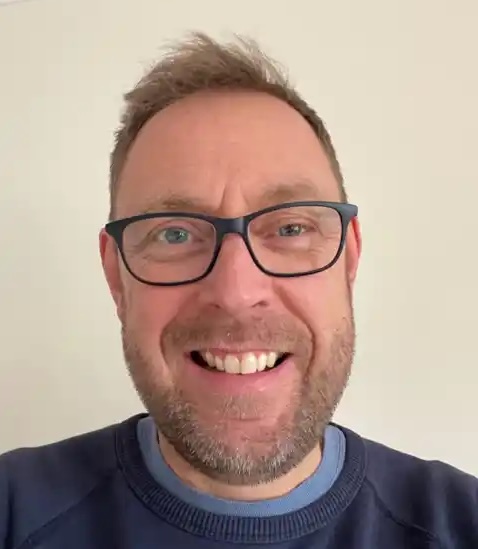
Welcome to the Wonderspace podcast, it's great to have you on board. My name is Steve Cole and over the past 66 episodes I have been asking the same 6 questions to amazing people from around the world. The questions orbit around wonder and stories of hopefulness and the setting for each journey is a shared window on the space station from where we see everything from a different perspective. Before we introduce our guests this week, our friends at asknature.org are going to help us to re-wonder.
Speaker 1:
Female anglerfish are the Harry Potters of the deep sea. Each 1 has both a luminous wand and an invisibility cloak. The wand consists of a long spine above her head, ending in a fleshy sac filled with bioluminescent bacteria. Waving the sac to look like smaller glowing organisms, she casts a spell of attraction on passing predators, which then become her prey. They don't realize the danger because her ultra-black skin absorbs nearly 100% of the light that hits it.
Speaker 1:
This invisibility cloak is made of light-absorbing melanin molecules housed in cellular structures called melanosomes, packed in a way that leaves no unpigmented gaps and shaped and positioned in a way that directs any reflected light toward other melanosomes. Together These adaptations enable her to eat and not be eaten, to see and not be seen.
Speaker 0:
At Orbit this week will take us over Venezuela in South America and to experience these views with us in this ultimate window seat we welcome Britta Fernandez-Schmidt. Britta is a certified transformational coach, strategy consultant and an advocate and promoter of women's empowerment, women's rights and equality. Until last year, Britta served as the executive director of Women for Women International UK, and today plays an ambassadorial role for the organization in Germany. Britta was nominated by our 37th guest on Wonderspace, photojournalist Hazel Thompson.
Speaker 2:
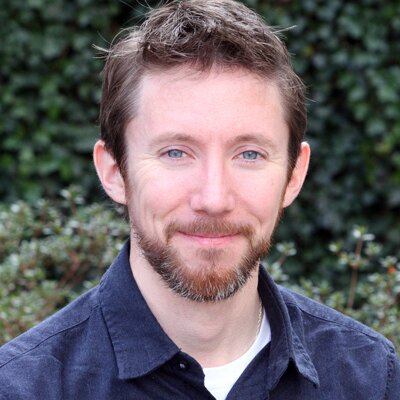
I have nominated Brita as she's not only an inspirational human being, But as a strong female leader herself, she has championed women in such a powerful way. She knows how to bring the best out in people, encouraging them to embrace their strength and authentic voice. I'm very excited what she's going to share on Wonderspace.
Speaker 0:
I start by asking Britta if we could do a flypast on any part of the world that is significant to you. Which place, city or country would it be and why?
Speaker 3:
It would be Venezuela, it's a country in Latin America, and it's because it is 1 of the most beautiful countries with the most vibrant people, and it is a country that has profoundly shaped me and my life and has influenced me so deeply that I would want everyone to see it and particularly now where Venezuela is often heard about in the context of conflict and extreme poverty and just a lot of negative problems and we don't spend enough time acknowledging what a beautiful vibrant country it is with incredible people.
Speaker 0:
Britta give us a glimpse into your life story so far with an emphasis on what you are doing currently.
Speaker 3:
I'm currently working as a deep transformational coach and I'm also training in trauma healing, individual, intergenerational and collective trauma healing. And it's incredible from space here, looking at my life, how I got to this point is as if I always had to be here right now. This deep sense that everything has taken me here. And there are a few stations along the way. The first 1 is when I'm 11 years old, I'm German and I travel with my family to Israel and I visit the genocide Holocaust Memorial, and I feel the depth of the trauma of the world in me, and it's completely overwhelming, and I have no words, and I don't really know what's happening.
Speaker 3:
And I keep that memory and I don't think of it until I'm 28. And I'm in Bosnia working with Women for Women International and I'm visiting the Srebrenica Genocide Memorial. And suddenly I'm 11 years old in Israel and I'm feeling the same weight of the pains and the sorrows of the world. In 2008, after having already worked for women's rights and in countries affected by extreme poverty, I came across the work of Women for Women International, and it just ignited something in me, and I feel those, all those moments every time, it was this deep guidance. It wasn't really my choice.
Speaker 3:
It was like, this organization, this is everything because it also focuses specifically on women in countries affected by conflict and war. And I think it already ignited and reminded me of what I felt when I was 11 years old. You know, and then I traveled to Bosnia and for the first time in 2009 and I meet the women, I experienced the impact of the genocide and the collective trauma. And then the last 12 years, 13 years, I work with women in countries like Bosnia, Afghanistan, Iraq, the Congo, Rwanda, and every time I'm faced with the collective trauma again and again, but also obviously with the individual expressions, the very personal expressions of how they have experienced that collective trauma. And I raise money and I raise awareness and that is what the organization does and I help women to come together to learn new skills and to rebuild their lives and invest in the hope that they're still within them, despite the trauma that they've experienced.
Speaker 3:
And all along, I feel there is more that I want to do. And So I drive myself and I set up Women for Women International in Germany where I'm now the ambassador. And I do more and more and I always think there's more I need to do. And then I stop and I realize it's actually not that I need to do more, it's that I need to be more aware of the dynamics of what is happening actually when trauma occurs and how we can heal trauma. 7 months ago, I decide really guided by my intuition that there is more and I need to do more, and I don't really know what it is, and I leave my job, and the next day I find the work of Thomas Hubel, who trains people in collective trauma healing.
Speaker 3:
And I apply and I get selected, I enroll and I've just started this body of work that is aimed at bringing to awareness the weight of intergenerational and collective trauma on all of us. We inherit, we are born with trauma. That's epigenetics. We inherit trauma and we don't talk about it. And then we're surprised if war keeps occurring.
Speaker 3:
And so, and obviously right now with the war in the Ukraine, it could not be more present to me. And I have this deep sense that if I can play a small part in bringing light and awareness to the depth of that, but at the same time hope that we can actually heal this, that every single 1 of us individually can take responsibility for healing our collective trauma and that that is at the heart of peace, prosperity and sustainability. It's much more about who we are than what we do. So that's what I'm doing right now.
Speaker 0:
Where on earth is your place of reset or recharge?
Speaker 3:
You know what, pretty much wherever there's water. But right now it's either Brankaster in Norfolk or West Wittering in West Sussex. Just a minute, I'm at the beach and I hear the ocean and I think it's about the ebb and flow. It's just, you know, things are hard and they become easy again. Things can be desperate and they can be hopeful again.
Speaker 3:
That is, I just immediately recharge.
Speaker 0:
What wonder of the natural world excites you the most?
Speaker 3:
The Angel Falls. So this is the largest waterfall in Venezuela. And when I was a child and I was living there, I had the chance to go there and see it, because when you see it in images, it looks like a tiny little stream, and you're like, wow, is this the biggest waterfall? And I just find it so symbolic, because for me, what excites me so much about it is it's so beautiful and it's so powerful beyond what you can ever imagine and I think of that as a metaphor for us as human beings because we never look and we never think that we are as powerful as we are. But we are and I feel I can see that and so that's why I love Angel Falls, it's incredible.
Speaker 0:
Britta, what is your story of hopefulness that's not your own, about a person, business or non-profit who are doing amazing things for the world?
Speaker 3:
So the work that really touches me so deeply and inspires me is the work that Thomas Hübel does in the world. And in particular, he also founded a project, a pocket project, and it's aimed at bringing together a community across divides to facilitate collective healing and just to know that this is possible and that it actually isn't as hard as it's sometimes made out. You know, I mean, for a long time I've worked obviously with Women for Women International and we have brought communities together in the countries. We've always made a point not to have segregation and not to kind of reinforce the very issues that created the conflict in the first place. But there was always definitely a sense that it's very hard and it's not easy and you can bring them together but you know healing is really hard and I don't want to underplay the challenge but I also I'm so filled with hope.
Speaker 3:
The more I learn about the work that Thomas does, which is very scientific and it's very experiential and it's very practical, the more I'm now convinced that with the right framing and the right space created and the right people in the room, you can create healing within a few hours. You can begin that healing process. And what I've realized, and this is the most powerful insight that I've had ever, And that is, you know, trauma is created in relation and it's healed in relation. So, and this notion that if I can feel your pain and you can feel me feeling your pain, then you're not alone anymore. And the trauma survives in our bodies in a frozen state that is alone.
Speaker 3:
So this sense that we get, I'm alone and no 1 understands me, that is a trauma position. And the minute I can feel you feeling that, and you can then see me feeling you, you're beginning to melt the trauma. And that is possible if we open our hearts and we're present with our heart and we're open and we're connecting. We're really connecting and then healing starts. And isn't that magical?
Speaker 3:
And we can all do that. This is the incredible thing. So yeah, that's just what wow is just rocking my world right now.
Speaker 0:
Finally, as we prepare to re-enter, What insight, wisdom or question would you like to share with us?
Speaker 3:
Yeah, so this is a question that I was asked the other day actually, so it's not my question, but you know questions are so powerful. I don't think anybody should take ownership of questions, right? I think let's just, questions are free for everyone. So this question is, if the earth was a person, what would it say? What would it say to us?
Speaker 3:
And just when I felt that question in me it moved me to tears because you know what I heard the earth said you know, you've done a lot of harm. You haven't really honoured me, you haven't known how to, But that's okay. That's okay. Because now you can do better. And what moved me so much is to know that this planet, this incredible planet is so generous, so generous, that even this unbelievable devastation that we keep creating, it has the capacity to forgive.
Speaker 3:
And if we can feel into that generosity and that benevolence and that unbelievable faith, faith in a very non-secular way, That is going to propel us to do better because guilt and hate and, you know, isn't going to. We're just gonna be defensive and we're just gonna keep closing our eyes. But if we can feel the love for the planet and for everything on the planet, including ourselves, you know, then we can act from that place and that will change everything.
Speaker 0:
To find out more about the work of Britta, go to brittafs.com and womenforwomen.org.uk To engage with the previous 66 Wonderspace episodes go to our website www.ourwonder.space I want to thank Britta for joining us on Wonderspace and I hope you can join us next week for more wonders and stories of hopefulness.